By Maryam Aminu
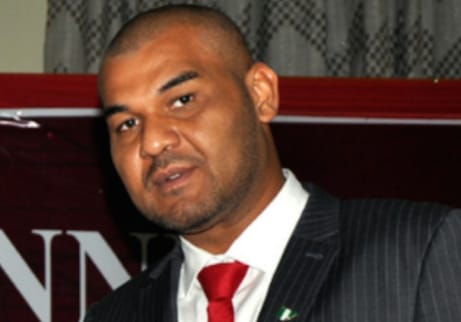
The Chairman of the Code of Conduct Tribunal, Hon. Justice M. N. Umaru Kogo, has called for deeper reflection on Nigeria’s historical journey, saying the country’s present democratic experience cannot be fully understood without examining the societies, institutions and struggles that preceded independence.
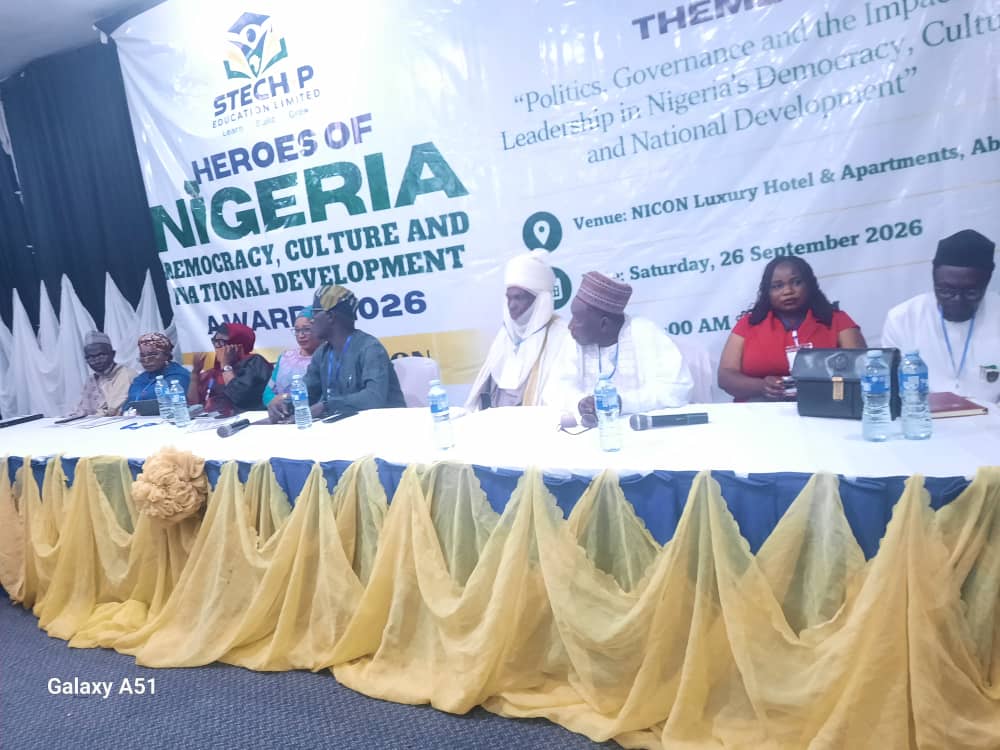
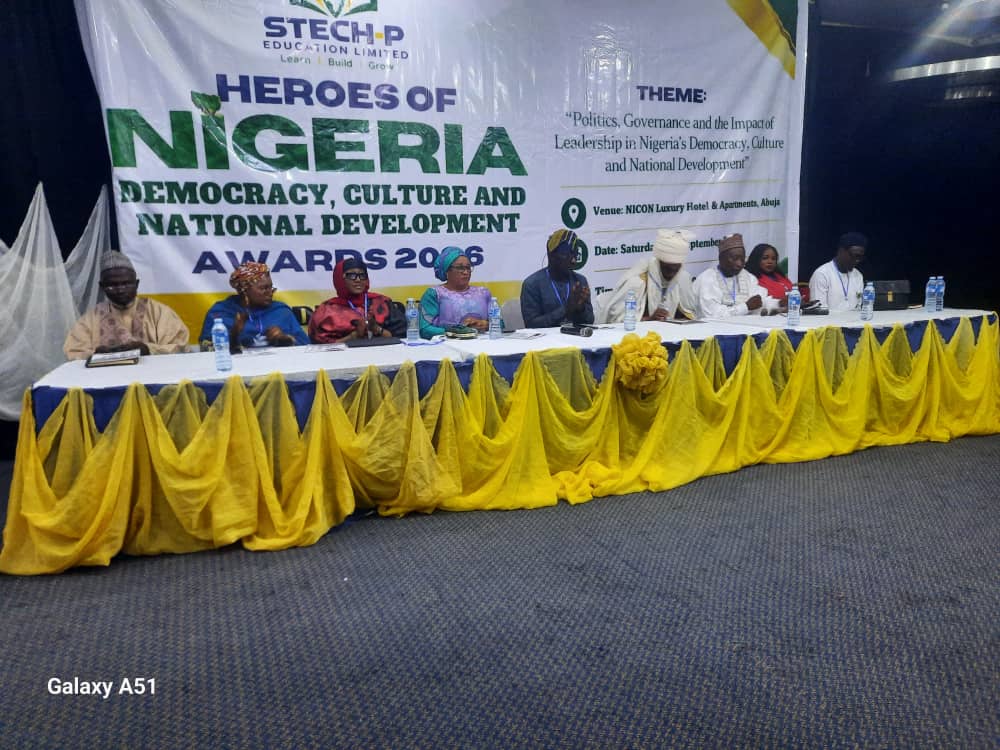
Kogo made the submission while delivering a keynote address titled “Nigeria’s Nationhood: How Far So Far?” at the presentation of Nigeria Democratic Journey: Struggles, Sacrifices and National Development from Pre-Colonial Era to the Present in Abuja.
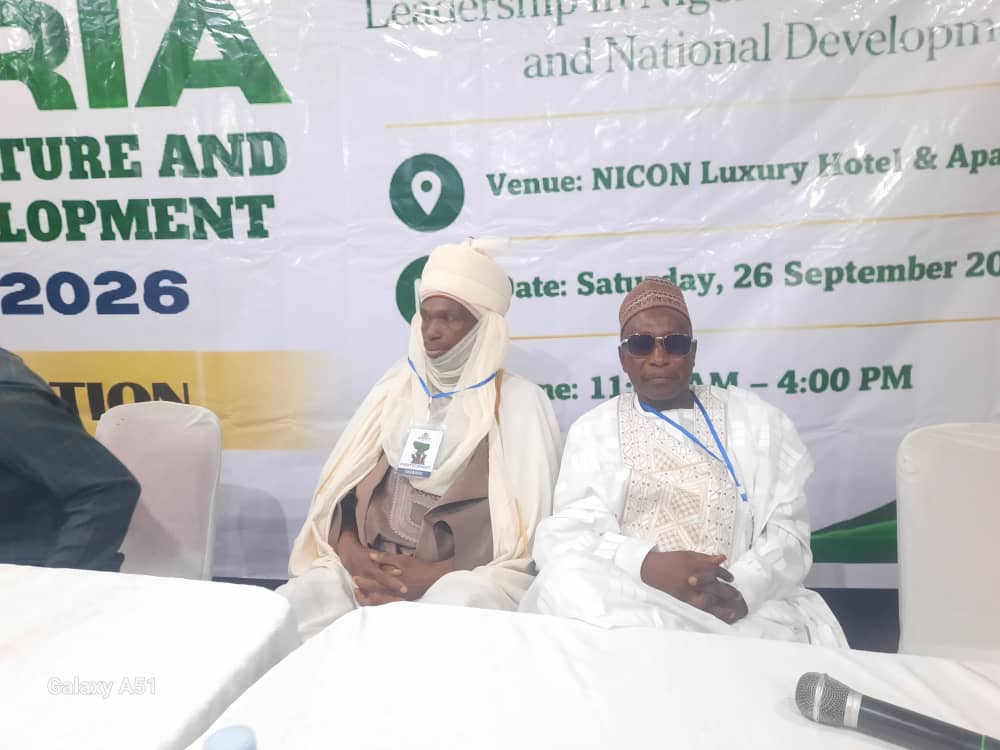
The CCT Chairman said Nigeria’s 66 years as an independent nation should be viewed within the broader context of the country’s much longer history, including the systems of governance and civilisations that existed across different parts of the territory before colonial rule.
He traced the country’s historical development through pre-colonial societies, the spread of major religions, colonial conquest, the 1914 amalgamation and the struggle for self-government, before reflecting on the leadership choices that shaped the country around independence.
Kogo also examined the political thinking of some of the leaders of the independence era, including Sir Ahmadu Bello, Abubakar Tafawa Balewa, Nnamdi Azikiwe and Obafemi Awolowo, using their experiences to raise questions about leadership, national interest, political responsibility and cohesion.
He argued that the values expected of those entrusted with public responsibility should remain central to the country’s democratic development.
The keynote also touched on the evolution of Nigeria after independence, including the political crises, military intervention, civil war and subsequent return to civilian government. Kogo, however, had to end his presentation before completing his intended account of Nigeria’s post-war rebuilding and later democratic development.
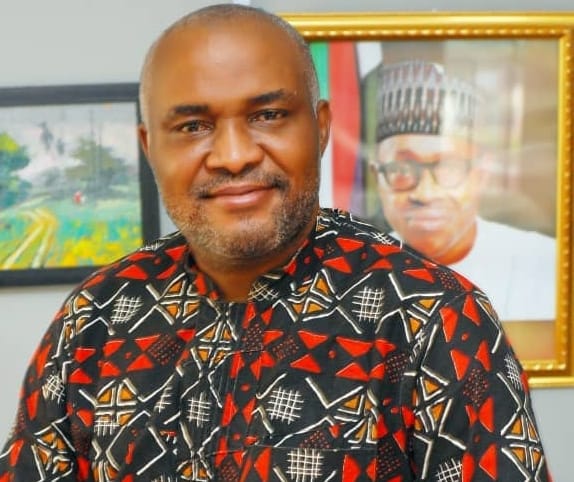
Earlier, the convener of the event, Idakwo Oruma Ishiaka, said the book was produced as an effort to preserve important experiences, struggles and sacrifices in Nigeria’s democratic journey and stimulate conversation about the country’s past, present and future.
Ishiaka said the publication was intended to encourage Nigerians to examine where the country had come from, where it stood and the responsibilities that lay ahead.
He particularly challenged young Nigerians to see themselves not simply as “leaders of tomorrow”, but as stakeholders in Nigeria today.
According to him, the future of the country’s democracy and national development will depend greatly on the knowledge, character, creativity, courage and commitment of the younger generation.
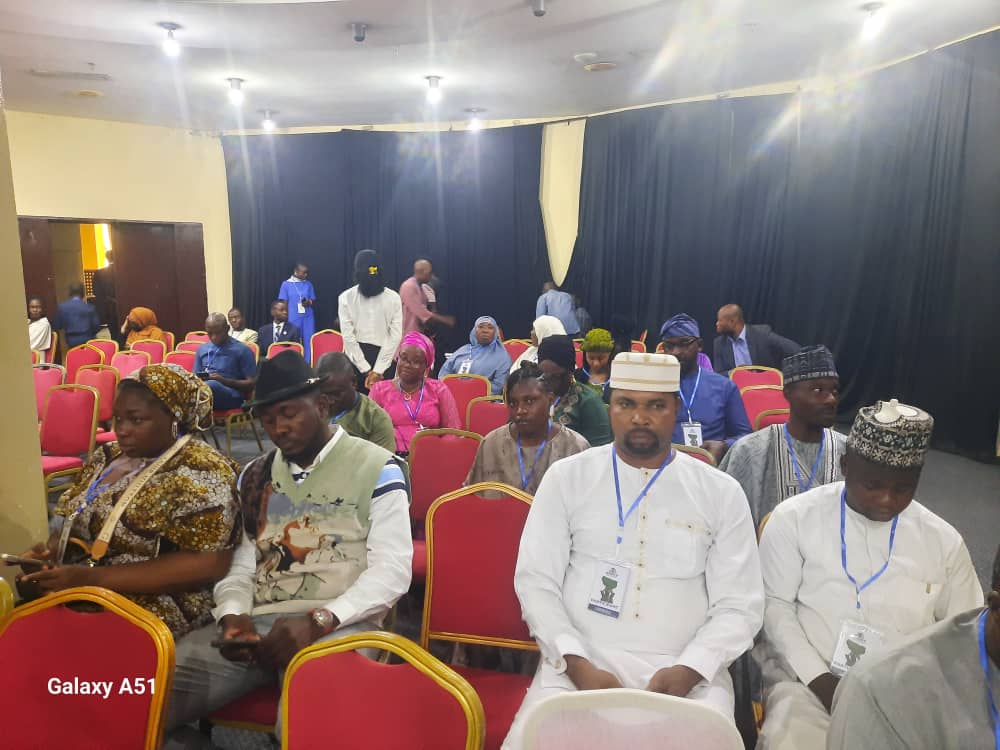
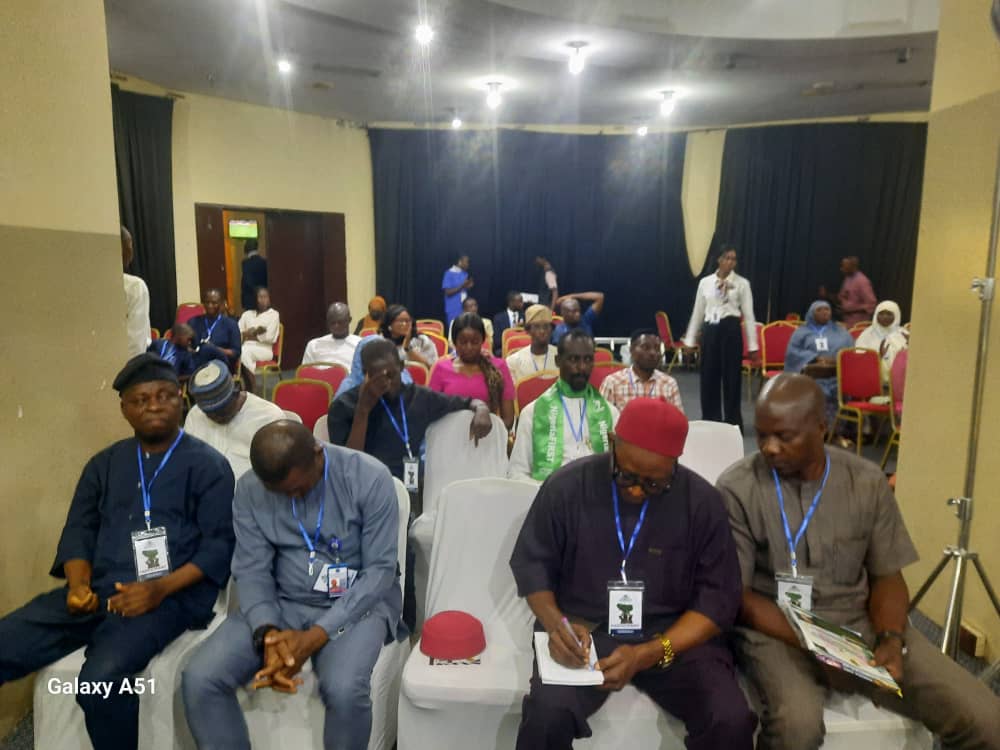
He urged participants to see the gathering as more than a celebration, but as an opportunity for reflection, dialogue and renewed commitment to Nigeria.
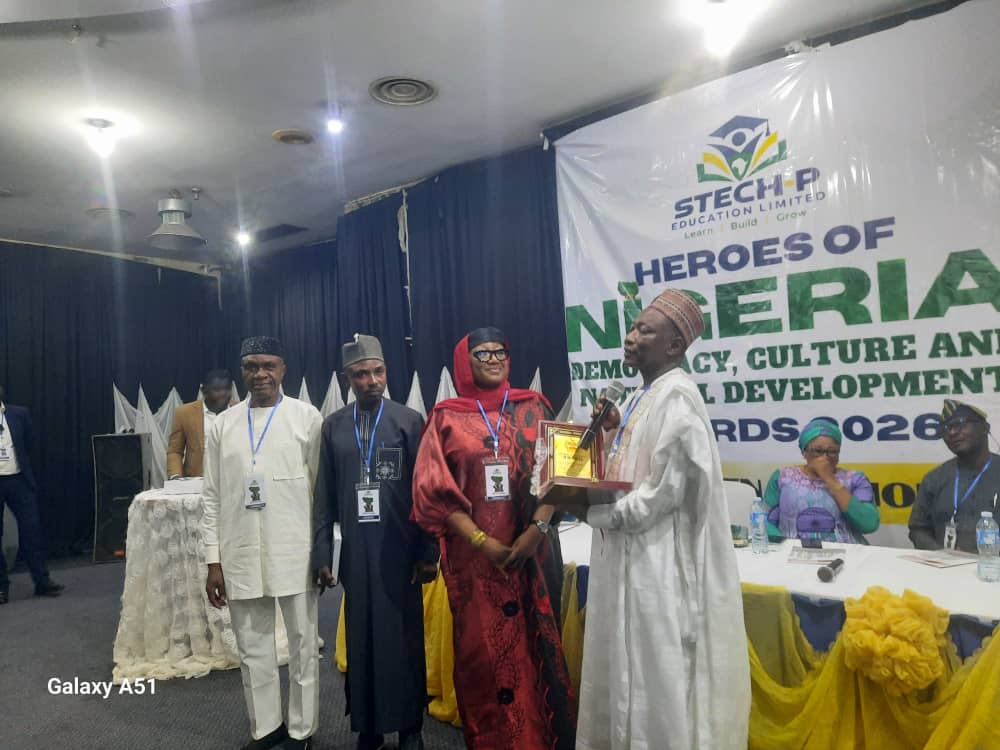
Ishiaka also appreciated the keynote speaker, book reviewer, invited dignitaries, partners, members of the organising committee, media organisations and volunteers who contributed to the event, while congratulating the award recipients recognised at the occasion.
Reviewing the book, Dr. Isah Husein Adagiri, Lecturer in the Department of Economics, FCT College of Education, Zuba, and member of the Nigerian Economic Society, said the publication sought to preserve Nigeria’s historical memory in a form accessible to a broad readership.
Adagiri said one of the book’s central arguments was that Nigeria’s experience of governance and political participation did not begin with the colonial period or the Fourth Republic.
He described the book as a 14-chapter work divided into five parts, covering historical foundations and indigenous governance, colonialism and the struggle for independence, the First Republic and Civil War, military rule and the struggle for democracy, and the Fourth Republic.
The book also examines contemporary political developments, including the 2023 elections, youth mobilisation and the growing role of social media in political participation.
Adagiri commended the publication for going beyond the stories of presidents and political office holders to recognise the contributions of farmers, teachers, workers, traders, women and young people to Nigeria’s history.
He, however, identified areas that could be expanded in a subsequent edition, including greater attention to women who contributed to Nigeria’s political development and recent electoral reforms such as BVAS and IReV.
He recommended the book to students, researchers, journalists and members of the public, describing it as a potential textbook, reference work and civic resource.
The Hakimi of Galadimawa District, HRH Musa Barde, endorsed the initiative and stressed the importance of recognising Nigerians whose contributions have positively impacted their communities and the country.
Barde said recognising such individuals could encourage others to serve and provide younger Nigerians with positive examples to emulate.
He urged those whose contributions had earned national recognition to remain committed to service, saying initiatives that celebrate positive contributions could strengthen patriotism, responsible citizenship, peaceful coexistence and service to humanity.
His remarks reinforced a recurring theme at the gathering: that nation-building is not the responsibility of political leaders alone, but also requires citizens, communities and institutions to contribute meaningfully to society.
About the Author