
By Odita Sunday
For communities in parts of Plateau, Zamfara and Niger states, the fear of being attacked has become a grim reality, with fresh killings and mass abductions prompting the Human Rights Writers Association of Nigeria (HURIWA) to demand a change in the country’s approach to security.
HURIWA said the latest incidents showed that too many communities were still being left vulnerable to armed attackers, despite repeated assurances that government was working to contain terrorism, banditry, kidnapping and other violent crimes.
In a statement signed by its National Coordinator, Comrade Emmanuel Nnadozie Onwubiko, on Sunday, the group said security agencies must do more than respond after attacks have occurred.
It said the focus should shift to gathering intelligence, identifying threats early and preventing attackers from reaching vulnerable communities in the first place.
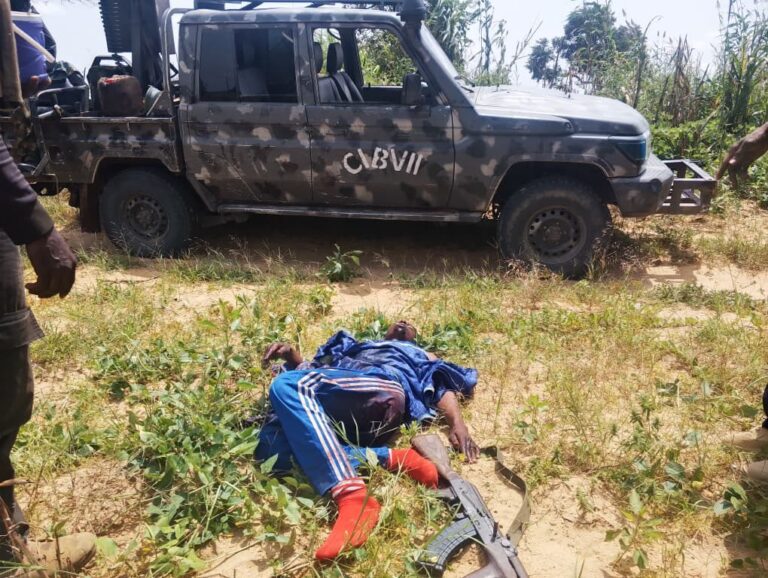
The group pointed to the reported killing of at least 54 residents of Zikke village in Bassa Local Government Area of Plateau State as another painful example of the danger facing rural communities.
According to HURIWA, armed men invaded the community in the early hours of Saturday, killing residents, including children and elderly people, while houses were reportedly set ablaze and property looted.
The attack came barely two weeks after another reported attack in Plateau in which 52 people were killed, according to the group.
HURIWA called for a full investigation into the Zikke killings, including the intelligence available before the attack, the response time of security agencies and whether anything could have been done to stop the attackers.
It also demanded the arrest and prosecution of those responsible.
The group questioned why attacks were still being reported in parts of Plateau despite the dusk-to-dawn curfew imposed in Barkin Ladi, Bokkos and Mangu local government areas.
HURIWA cited the reported killing of three men at Kyikyau-Gyambwas in Mangu while they were keeping watch over their community, saying the incident raised questions about patrols, intelligence gathering and the ability of security agencies to respond quickly when communities come under attack.
It said a curfew alone could not protect residents if security agencies lacked the intelligence, manpower and rapid-response capacity needed to confront attackers.
HURIWA urged the authorities to work more closely with traditional rulers, community leaders and youth groups, saying people living in threatened communities are often the first to notice signs of danger.
In Zamfara, the group raised fresh concerns over the reported attack on Tsafe, the headquarters of Tsafe Local Government Area, where at least five residents were reportedly abducted during a Friday night attack.
Reports said the attackers opened fire before fleeing with their victims.
HURIWA said residents of Zamfara and other parts of the North-West had endured years of killings and abductions and should not be left to face armed groups without adequate protection.
It called for increased security presence in vulnerable communities and sustained operations against criminal camps and hideouts.
In Niger State, HURIWA said another issue requiring urgent attention was the conflicting figures surrounding the reported abduction of worshippers in Borgu Local Government Area.
The group said communities in the affected area had reportedly released the names of 547 people they alleged were abducted during attacks on mosques in Dekara District on August 21.
The figure differs from the lower number publicly attributed to the Niger State Government.
HURIWA said the discrepancy must be resolved quickly because behind every figure are families waiting to know whether their relatives are alive, rescued, missing or still being held.
It called on the Niger State Government, local authorities and security agencies to reconcile the figures and publish an accurate account of those abducted, rescued, killed or still missing.
The group also called for intensified efforts to rescue those reportedly taken into the Kainji Lake National Park forest.
HURIWA said the pattern across the affected states was becoming familiar: communities are attacked, lives are lost, people are abducted, officials condemn the incidents and investigations are announced, only for another community to come under attack.
The group said that cycle must end.
It called for a security strategy with clear responsibilities and measurable targets, arguing that Nigerians should judge security efforts by the attacks prevented, abductees rescued, criminal networks dismantled and perpetrators brought to justice.
HURIWA also urged the Federal Government to improve coordination among the military, police, intelligence agencies and other security institutions, particularly around communities bordering forests and other difficult-to-access areas.
It called on state governments to strengthen local security arrangements and ensure that information from communities reaches security agencies quickly.
The association further urged political leaders not to allow preparations for the 2027 elections to take attention away from the immediate task of protecting Nigerians.
HURIWA said Nigerians need more than condolences after attacks.
They need security measures capable of stopping the next attack before another community is left counting its dead and missing.
About the Author