We have lived with broken institutions for so long that suffering is now treated as a natural condition of Nigerian life. Bad roads are normal. Collapsing schools are normal. Hospitals without equipment are normal. Darkness is normal. Poverty is normal. Corruption is normal.
It is not normal.
God did not create Nigeria to be dysfunctional. God did not dig our potholes, destroy our schools, empty our hospitals or loot our treasury. Human beings did—and too many citizens have enabled them through silence, ethnic loyalty, religious manipulation, vote selling and political indifference.
The tragedy is that while Nigeria deteriorates, Nigerians increasingly encounter visa restrictions, deportations, suspicion and hostility in many parts of the world, including within Africa. Yet instead of making our own country a place where citizens can live with dignity, millions continue to dream only of escaping it.
How long can a nation refuse to repair its own home while complaining that other people will not accommodate its children?
Our political elite have perfected one of the cruelest contradictions of governance.
They neglect public education, then send their children to some of the most expensive schools abroad.
They allow public hospitals to decay, then fly overseas for medical treatment that functioning Nigerian hospitals should provide.
They neglect our roads, then move above the potholes in private jets and helicopters.
They preside over an economy that impoverishes millions, while accumulating wealth beyond what legitimate public service can reasonably explain.
The people suffer the consequences of institutional collapse; the powerful simply purchase an escape from it.
The corruption of justice is even more dangerous. Courts are supposed to be the final refuge of citizens against oppression. But where people come to believe that influence, wealth or political connections can determine outcomes, faith in the entire democratic order begins to die. No politician should ever be able to boast, behave or operate as though judges belong to political camps, families or powerful individuals. Justice must belong to nobody but the law.
The tragedy extends beyond politics.
Some religious leaders tell suffering citizens that hardship is “the will of God,” while refusing to confront the corruption and incompetence that created it. Poverty produced by bad governance is not divine destiny. Looting is not prophecy. Incompetence is not a spiritual test.
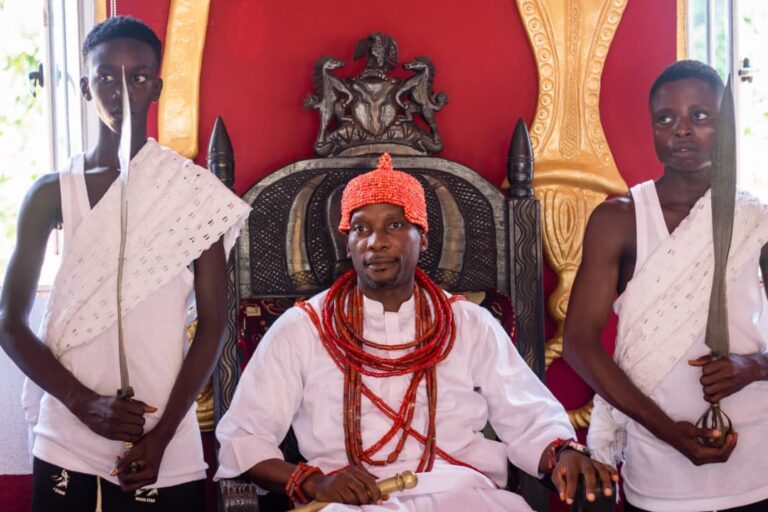
Some traditional rulers, who should serve as the moral conscience of their communities, have become too comfortable with political patronage—praising those in power while the people beneath their thrones suffer.
And politicians have discovered a devastating formula:
Keep the people poor enough, and they become easier to control.
Create hunger, then distribute rice.
Destroy opportunity, then offer cash before an election.
Loot billions, then return with bags of food and ask the victims for another four years.
That is not democracy.
It is the weaponization of poverty.
And citizens must also accept an uncomfortable truth: no corrupt political system survives forever without collaborators.
Your vote is your power.
When you vote for competence, integrity and service, you are voting for roads that do not destroy vehicles, schools that educate children, hospitals that save lives, institutions that work, courts that protect justice and an economy that gives people hope.
But when you knowingly surrender your vote because of tribe, religion, money, sentiment or blind political loyalty, you are not merely electing a politician.
You may also be choosing the pothole.
Choosing the broken hospital.
Choosing the collapsing school.
Choosing unemployment.
Choosing insecurity.
Choosing another generation of poverty.
Politicians have their responsibility.
Religious leaders have theirs.
Traditional rulers have theirs.
The judiciary has its sacred duty.
And citizens have theirs.
Nigeria will change when Nigerians understand one powerful truth:
The ballot is not a gift you give to a politician. It is a decision you make about the quality of your own life and the future of your children.
If we refuse to fix our country, we should not be surprised when our children spend their lives searching for another country to call home.
Chris Okobah, PhD Award-Winning Author
If you believe Nigeria deserves better, share this article.
About the Author