By Odita Sunday
Journalists have been urged to rigorously verify information sourced from social media and ensure that their reports do not aggravate existing tensions or contribute to conflicts in Nigeria.
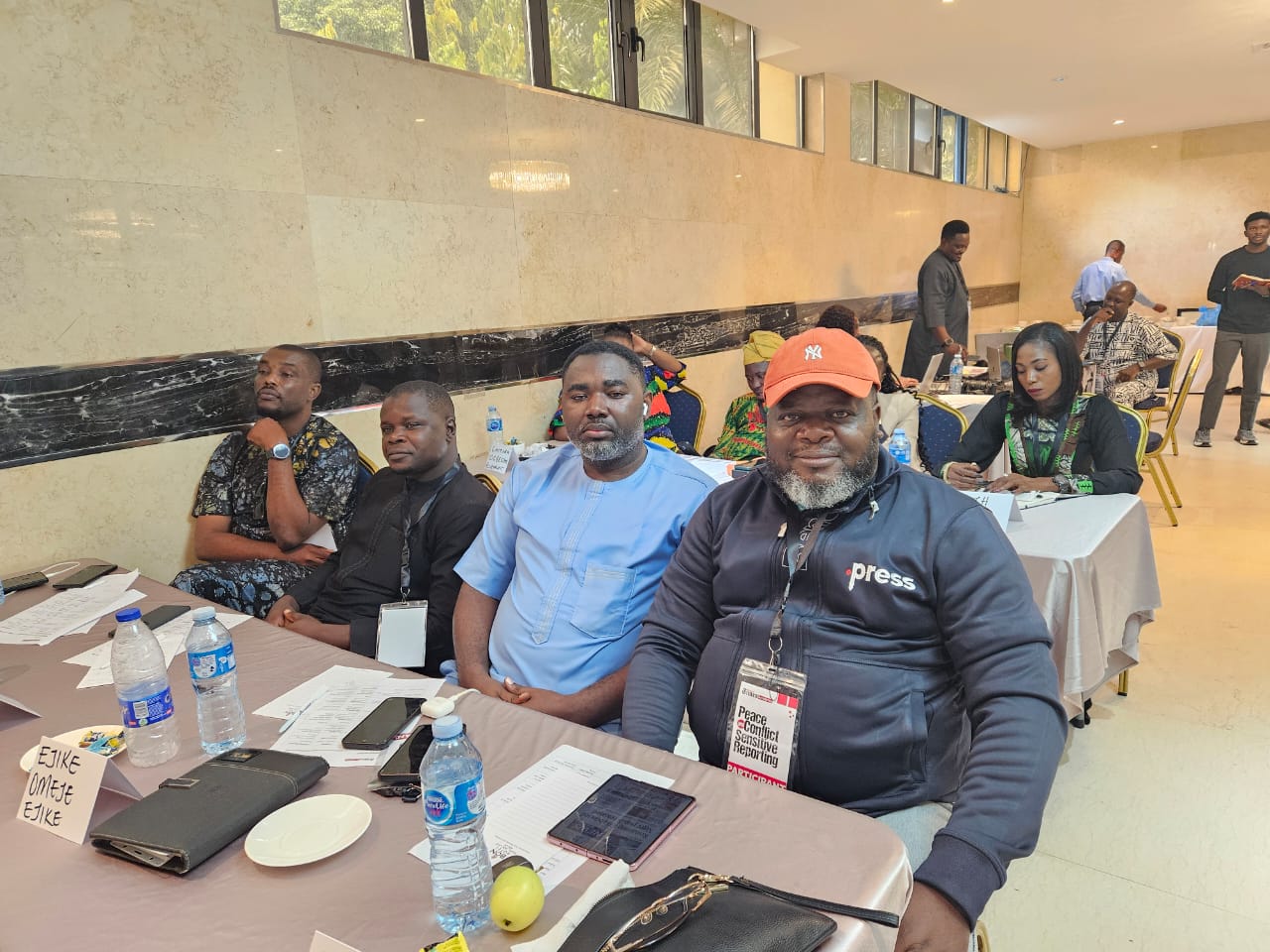
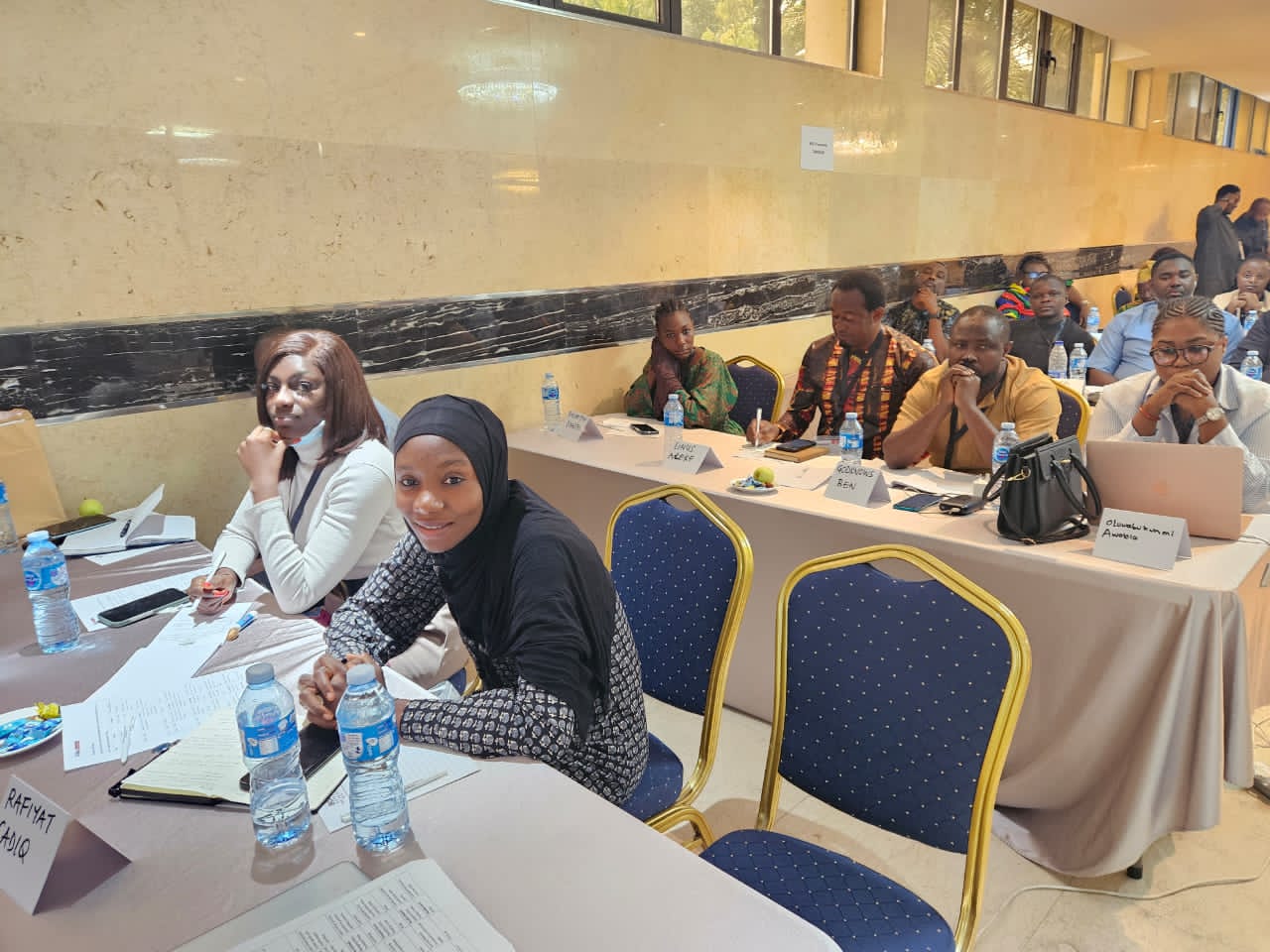
The call was made on Wednesday in Abuja during a two-day training on “Peace and Conflict Sensitive Reporting” organised by the Premium Times Academy for journalists.
Speaking on “Understanding Conflict, Its Nature and Character”, Professor Isaac Albert, Professor of African History, Peace and Conflict Studies, University of Ibadan, said journalists operate in difficult circumstances and must understand the consequences of their reporting on the society.
Albert said journalists were often better positioned than researchers to provide valuable accounts of events because of their proximity to unfolding issues and continuous engagement with them.
“How do you report Nigeria without getting into trouble? How do you work in this environment in such a way that you don’t add to the problems of Nigeria?” he asked.
According to him, journalists must go beyond simply reporting what happens to examining the causes, actors, meanings and consequences of conflicts.
He said, “We are not reporting just only events. There are also meanings, causes, actors, and consequences. But every person feels that you are just reporting events, and our work goes beyond mere reporting of events.”
Albert said journalists needed to develop basic conflict-analysis skills because their reports often become important sources for researchers and scholars studying conflicts.
“In the university, when we are writing our PhD thesis, we respect more citations from journalists than even we respect from ourselves. And this is because academically we believe that you are closer to the issues,” he said.
He added: “A journalist is constantly following up the issues, and therefore, if scholars have to use your reports for actually coming to the academic or intellectual conclusions, we believe that there is a need for those of you who are actually doing the analysis and writing reports to demonstrate basic conflict analysis skills.”
Albert identified three key objectives of conflict-sensitive reporting training, including understanding the nature and dynamics of conflict, identifying the causes and actors involved in conflicts, and developing basic conflict-analysis skills.
He said the changing nature of conflict made it necessary for journalists to continually reassess how they approached their work.
“Therefore, when we meet like this, we cause conflict sensitivity. It is to ask ourselves, to what extent are we really adjusting to the changing environment in which we have to do our work?” he said.
The don noted that conflict-sensitive reporting begins with a proper understanding of conflict and urged journalists to look beyond the immediate manifestations of crises.
“Conflict-sensitive reporting begins with a clear understanding of what conflict is and how it lives. And that is why we are starting this interaction with this topic, the nature of conflict,” he said.
Albert further warned that the way conflicts are framed in the media could influence how members of the public perceive and respond to them.
“We are interested in how conflict is framed, and how conflict is framed can count sanctions or deepen division and this is why we are focusing on conflict sensitivity at this level because the way you report issues will inform how members of the public respond to the issues, understand the issues and make their basic life-sustaining decisions,” he said.
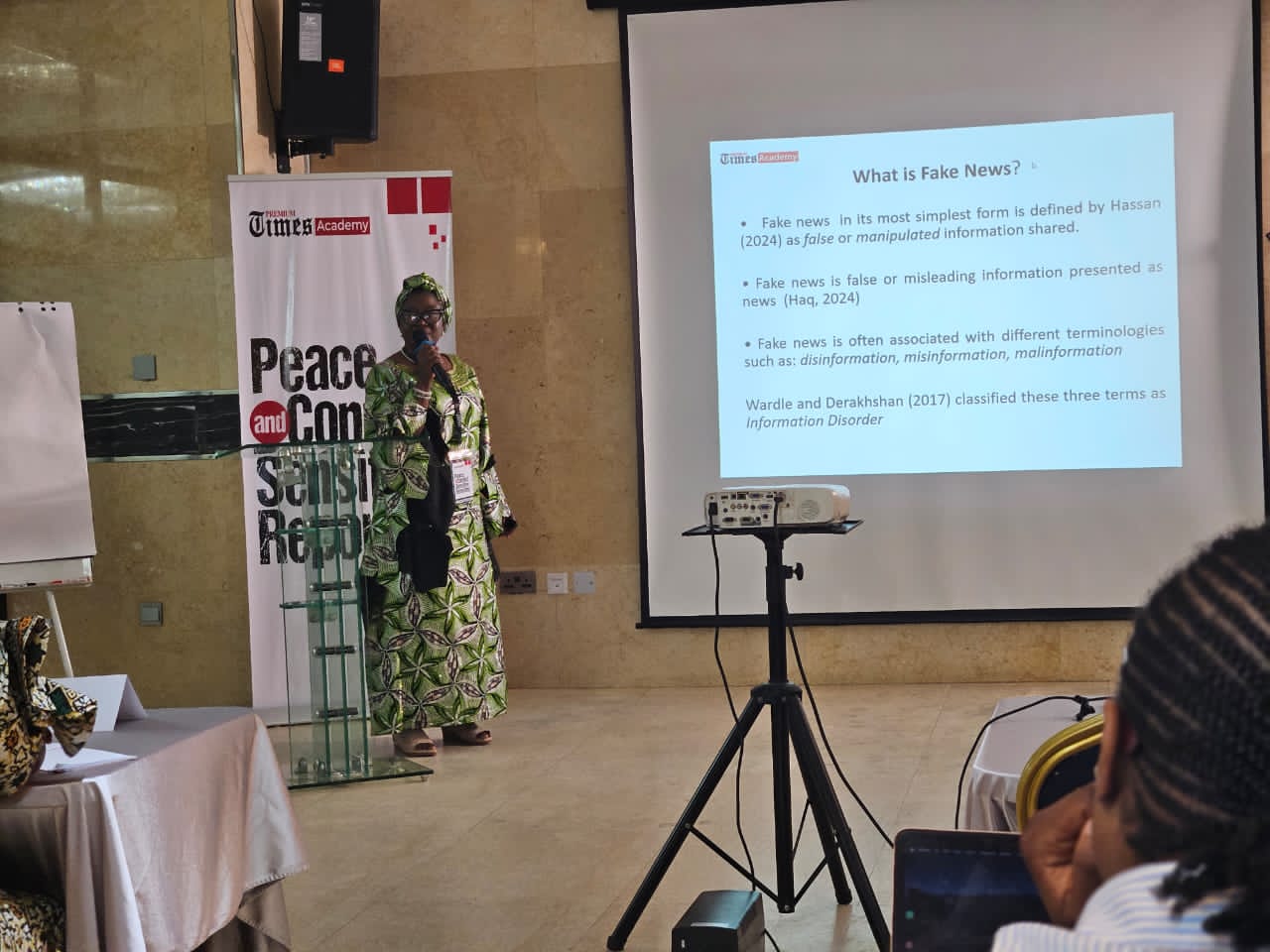
Also speaking during the training, Joan Hassan, Associate Professor of Communication and Media Studies, Baze University, urged journalists to apply established ethical principles when reporting hate speech, fake news and conflict.
Hassan, who facilitated a session on “Hate Speech, Fake News: The Imperative of Ethics and Professionalism in Reporting”, said the fundamental principles of journalism remained truth, fairness, balance, accuracy and the obligation to avoid harm.
She stressed that the emergence and rapid spread of fake news and hate speech made the application of those ethical principles even more important.
“There is nothing new about ethics. We already know what hate speech and fake news are. The challenge is applying our ethics to remind ourselves to be sensitive, especially now when Nigeria and the world need peace,” Hassan said.
She said careless reporting could contribute to tension, division and conflict, while ethical and professional reporting could promote peace, build public trust and protect vulnerable communities.
Managing Editor, Premium Times, Idris Akinbajo, also facilitated a session titled “Giving Practical Effect to Conflict-Sensitive Reporting”, focusing on how journalists could translate conflict-sensitive principles into practical reporting situations.
The session examined the application of conflict-sensitive principles to everyday newsroom decisions, including sourcing, language, framing and the presentation of conflict-related information.
The Standards Editor, Premium Times, Oluwaseyo Ayeni, in her session on “Guidelines for Sourcing News from Social Media”, also focused on the need for journalists to establish the credibility of information before publication.
Ayeni’s session was designed to equip journalists with practical guidelines for sourcing credible news from social media, particularly in an environment where unverified claims can spread rapidly.
The training also featured a session by the Editor-in-Chief of Premium Times, Mr Musikilu Mojeed, on “Sourcing Relevant Humanitarian Information”, with emphasis on the importance of credible and relevant information in reporting humanitarian situations.
The facilitators challenged participants to recognise the power of journalism not only to inform the public but also to shape how communities understand conflicts and respond to crises.
The training further examined misinformation, disinformation, malinformation and hate speech, as well as the responsibility of journalists to verify information and consider the possible consequences of their reporting.
The programme is aimed at strengthening the capacity of journalists to apply ethical, accurate and conflict-sensitive approaches to reporting, particularly in an era where social media has become an important source of news and a major channel for the rapid spread of unverified information.
About the Author