By Jude Iyitor, PhD
Introduction
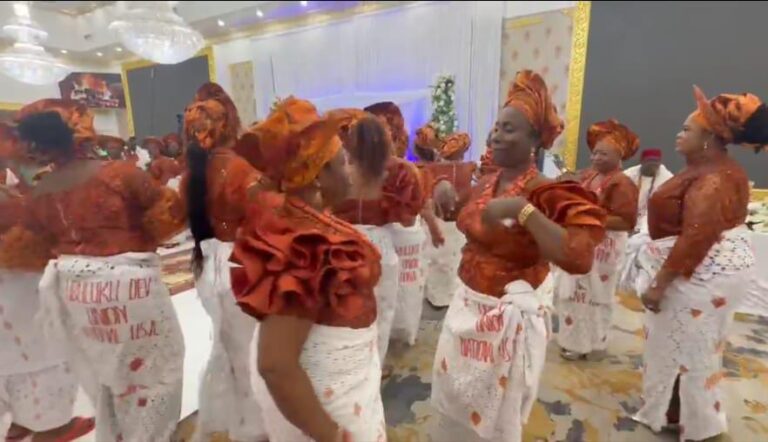
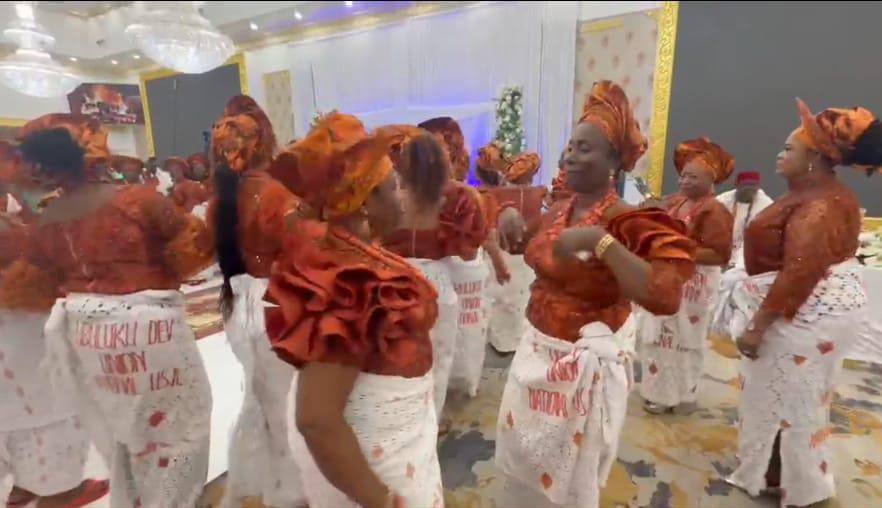
The commentary below captures the true essence of Anioma culture, where the pristine beauty of the Akwa Ocha, the disciplined rhythm of the music, the poised synchronization of the dance and the regal grace of the women come together in perfect harmony.
The Akwa Ocha Tradition
Identity & Heritage: Akwa Ocha, literally translating to “White Cloth,” serves as the single most distinctive handwoven textile unique to the Anioma people of Delta State. Worn during paramount ceremonial gatherings, celebrations, and cultural festivals, this pristine white fabric acts as a profound visual marker of nobility, moral purity, and sacred cultural prestige.
Textile & Design: Crafted through meticulous handweaving techniques using pure white cotton threads, the fabric possesses a structured, heavy weave that yields a crisp and inherently regal silhouette. When draped and tied as traditional up-and-down waist wrappers, the cloth maintains its firm, tailored shape, creating a clean canvas that catches the ambient light and elevates the visual presence of every wearer.
Adornment & Accents: To complement the luminous simplicity of the Akwa Ocha, the attire is traditionally paired with authentic coral bead necklaces and wristbands, which signal chieftaincy, royalty and venerable social standing. In contemporary ceremonial performances like in this Ubulu-Uku video, this classic foundation is tastefully merged with vibrant burnt-orange lace blouses featuring dramatic ruffled sleeves and tall, intricately sculpted gele headties, ensuring that every posture and gesture carries an air of refined grandeur.
Rhythmic Structure & Musical Crescendos
Polyrhythmic Foundation: Distinguishing itself from the high-energy, explosive percussion often found in East-Ibo regional traditions, the Anioma musical arrangement is celebrated for its measured elegance, melodic restraint and sophisticated polyrhythms. The acoustic composition balances restraint with emotional depth, creating a dignified soundscape that honours tradition over raw noise.
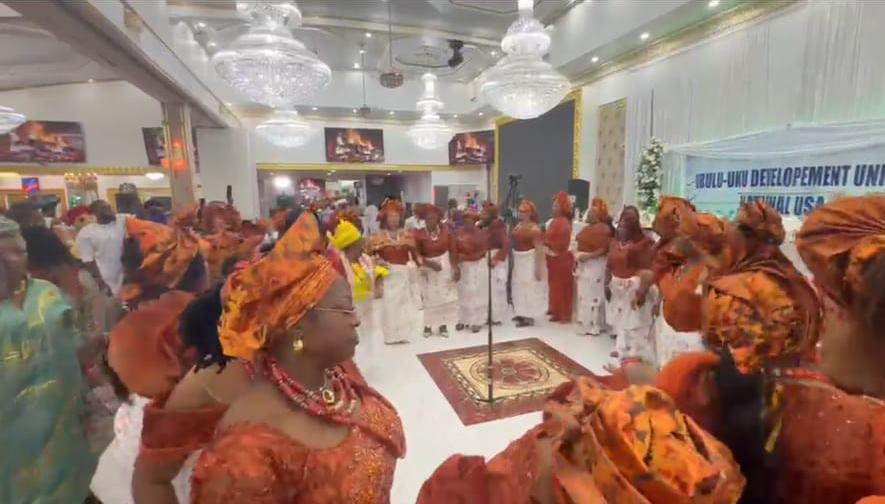
Instrumentation: The rhythmic bed is anchored by the crisp voice of the Ekwe wooden slit drum, which directs the pace and signals movement shifts, while the continuous, shimmering rustle of Ichaka gourd rattles fills the mid-tempo audio space. Accentuated by the piercing melodic flourishes of the Akpele horn and punctuated by expressive call-and-response vocal leads alongside sharp female ululations, the ensemble creates an immersive sonic environment.
The Two Dynamic Peaks: Rather than maintaining a flat tempo, the music intentionally builds toward two distinct dynamic crescendos. During these peaks, the Ekwe shifts from a steady baseline beat into swift, syncopated rolls, while the Ichaka shakers swell in volume and speed, signaling to the dancers that a deliberate transformation in footwork and formation is about to take place.
Synchronized Dance Transitions
Base Movement: The performance opens with a poised, low-impact linear movement where dancers execute gentle shuffling steps and subtle torso sways aligned perfectly with the steady, foundational beat of the percussion.
First Transition (Initial Peak): As the musicians elevate the sound into the first musical crescendo, the women seamlessly transform their motion. Dropping the linear marching posture, they instantly transition into synchronized side-to-side hip sways, patterned step-touches, and subtle torso dips that mirror the heightened intensity of the drums.
Second Transition (Climactic Peak): When the arrangement accelerates into its second and highest tempo peak, the choreography reaches its climax. The dancers execute rapid, rhythmic footwork, synchronized hand claps and graceful inward turns, bringing the group into an intimate, unified formation where the collective energy peaks.
Visual Motion: Throughout these rhythmic shifts, the structured Akwa Ocha wrappers accentuate the fluid motion of the dancers, while the dramatic, ruffled orange sleeves and sweeping headties amplify every sway, turn, and gesture into a captivating display of Anioma grace and elegance.
Conclusion
Ultimately, the performance is far more than a simple display of movement; it is a living celebration of Anioma identity. By weaving together the pristine dignity of the Akwa Ocha, the structured precision of the percussion and the regal cadence of the women’s steps, the dance transcends entertainment to become a powerful affirmation of heritage, unity and timeless cultural pride.
About the Author