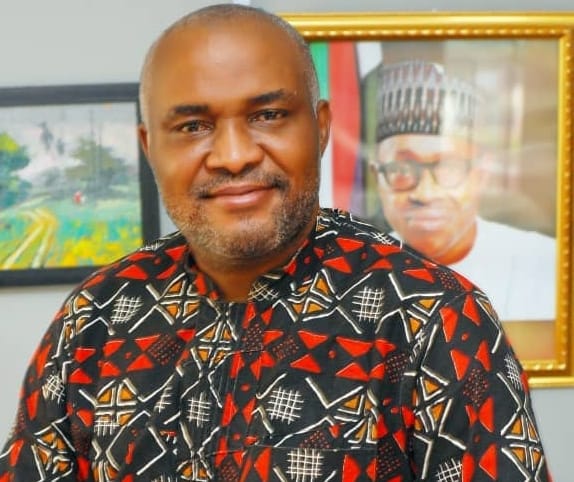

By Odita Sunday
The 2027 general elections may still be months away, but for the Nigeria Police Force, the preparations have already begun.
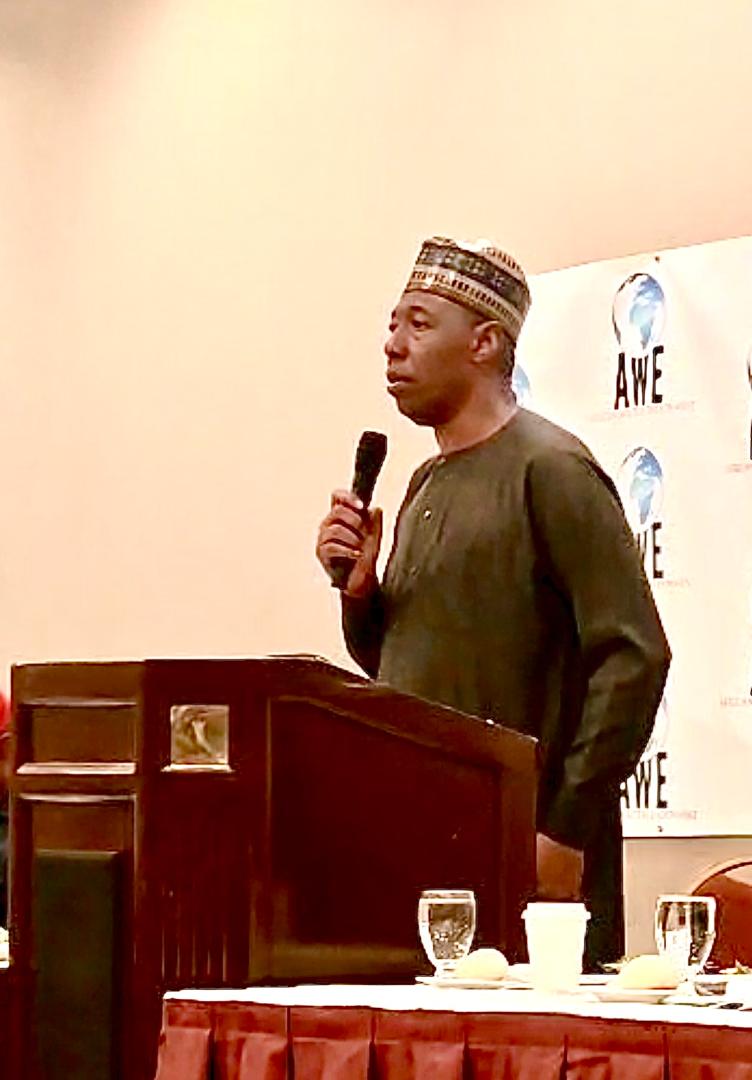
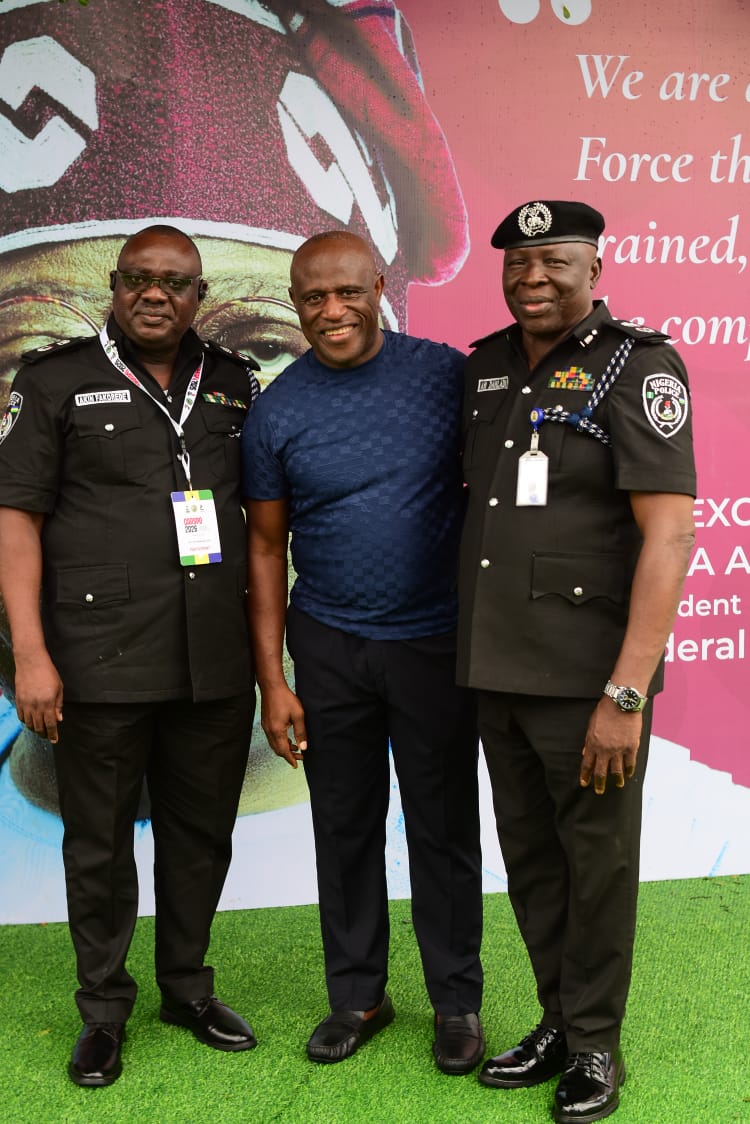
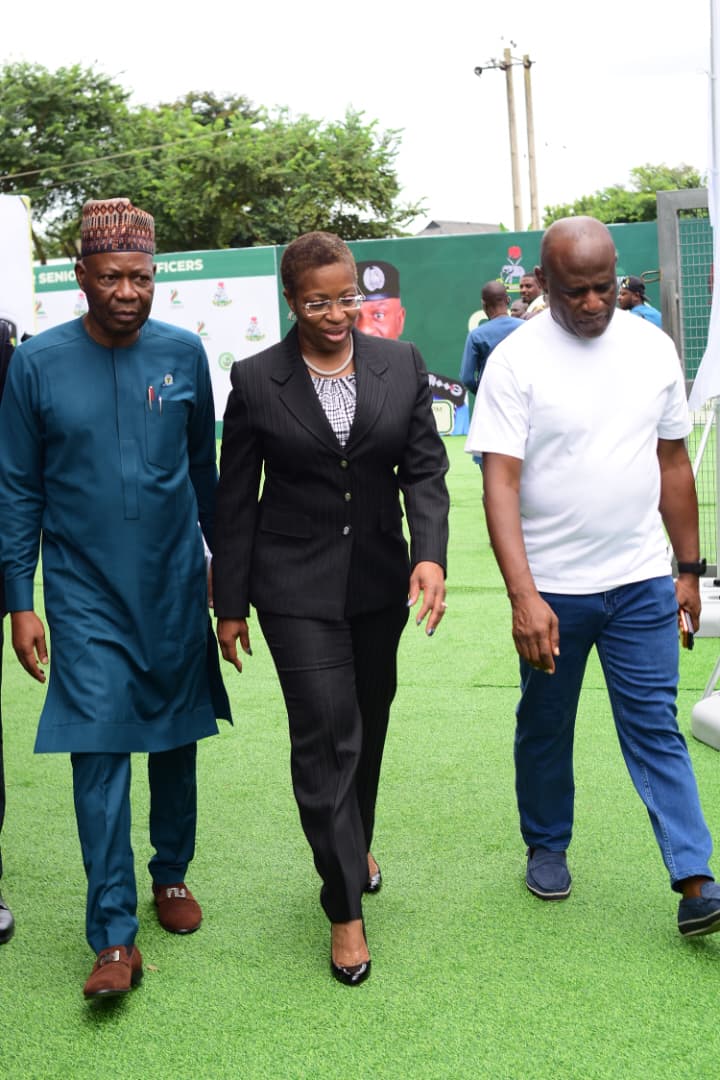
In Owerri, senior police officers, security experts, journalists and other stakeholders gathered for a conference and retreat with one central question: How can the police secure Nigeria’s next general election in an era where technology, social media, misinformation and public expectations are changing the nature of security?
The answer, participants suggested, goes beyond deploying more personnel on election day.
They spoke about intelligence, artificial intelligence, communication, community engagement, adequate equipment and, perhaps most importantly, winning the confidence of the people the police are expected to protect.

The discussions formed part of a conference and retreat for senior police officers held under the theme, “Developing a Nigerian Police Roadmap for Effective Management of Security During Elections.”
One of the strongest messages came from veteran journalist and public affairs analyst, Ruben Abati, who told police officers that effective communication begins with listening.
Abati said a police manager could be an excellent speaker and still be a poor communicator if he was unwilling to listen.
“You must listen to your officers. You must listen to citizens. You must listen to community leaders. You must listen to journalists. You must listen to stakeholders. You must listen even to critics,” he said.
For Abati, the point was simple: the relationship between the police and the public cannot be built on issuing instructions alone. It must also involve dialogue, understanding and respect.
Responding to the presentation, the Inspector-General of Police, Kayode Egbetokun, agreed that the media remained an important partner in policing.
He, however, stressed that cooperation with the media must never become an attempt to silence journalists.
The IGP said the police needed a professional relationship with the media that would allow journalists to carry out their constitutional responsibilities while also protecting legitimate national security interests.
According to him, policing itself is largely about dealing with people.
He noted that officers interact with members of the public every day and must therefore understand that effective policing cannot be separated from communication and public relations.
But communication was only one part of the conversation.
As Nigeria becomes increasingly dependent on digital technology, the conference also examined how artificial intelligence could change the way security agencies prevent and respond to crime.

Technology expert Rose Alabo George, speaking on “Smart Policing: How AI and Digital Technologies are Transforming Law Enforcement,” urged the police to move away from relying mainly on traditional methods.
She advocated intelligence-led and technology-driven policing, arguing that the police should increasingly use technology to identify threats and prevent crimes before they occur.
Her message was that smart policing should be about prevention, not simply waiting for an incident to happen before responding.
Yet, amid all the excitement about artificial intelligence and digital policing, a former Inspector-General of Police, Usman Baba, offered a reminder that technology is not a magic solution.

He stressed that the police and other security agencies would still require adequate funding, equipment and operational support to protect voters, electoral officers and election materials.
Baba also recalled the security challenges experienced during the 2023 elections, underscoring the need for the police to learn from what happened and prepare differently for 2027.
That sense of preparation ran through the retreat.
Participants repeatedly emphasized that election security cannot begin on election morning.
One participant, attending the retreat for the third time, said he had seen improvements in the programme over the years and described the latest edition as particularly useful.
Another said the retreat had come at the right time because it gave the police enough opportunity to turn the ideas discussed into practical plans before the elections.
There was also considerable attention on the relationship between the police and local communities.
Participants said citizens should not see the police only as an institution that arrives when something goes wrong. Instead, they argued, communities should see police officers as partners in protecting lives, property and the democratic process.
For some participants, however, technology must go hand in hand with professionalism and accountability.
Sophisticated equipment, they noted, would achieve little if the people operating it lacked discipline, proper training and respect for the law.
The retreat also provided an opportunity to acknowledge those who contributed to its organization.

The Inspector-General of Police commended Shino Philip, Chief Executive Officer of Landers Consult International, for his professionalism and contribution to the successful organization of CASTO 2026.
He described the programme as professionally organized and expressed satisfaction that the conference had progressed smoothly.
But when the delegates leave Owerri and return to their respective commands, the real work begins.
The speeches, presentations and discussions will matter only if they eventually translate into better intelligence, stronger community relationships, improved communication, adequate preparation and a more professional police presence during the 2027 elections.
The countdown may not yet be visible on every street, but inside the security establishment, the message from Owerri is already clear: the work of securing the 2027 election cannot wait until election day.
About the Author