…Umahi says Abuja–Kaduna–Zaria–Kano Expressway sections completed
By Odita Sunday
The Federal Executive Council (FEC) has approved ₦631.3 billion for nine road infrastructure projects across Nigeria, as the Federal Government intensifies efforts to improve connectivity, facilitate trade and stimulate economic growth under President Bola Ahmed Tinubu’s Renewed Hope Agenda.
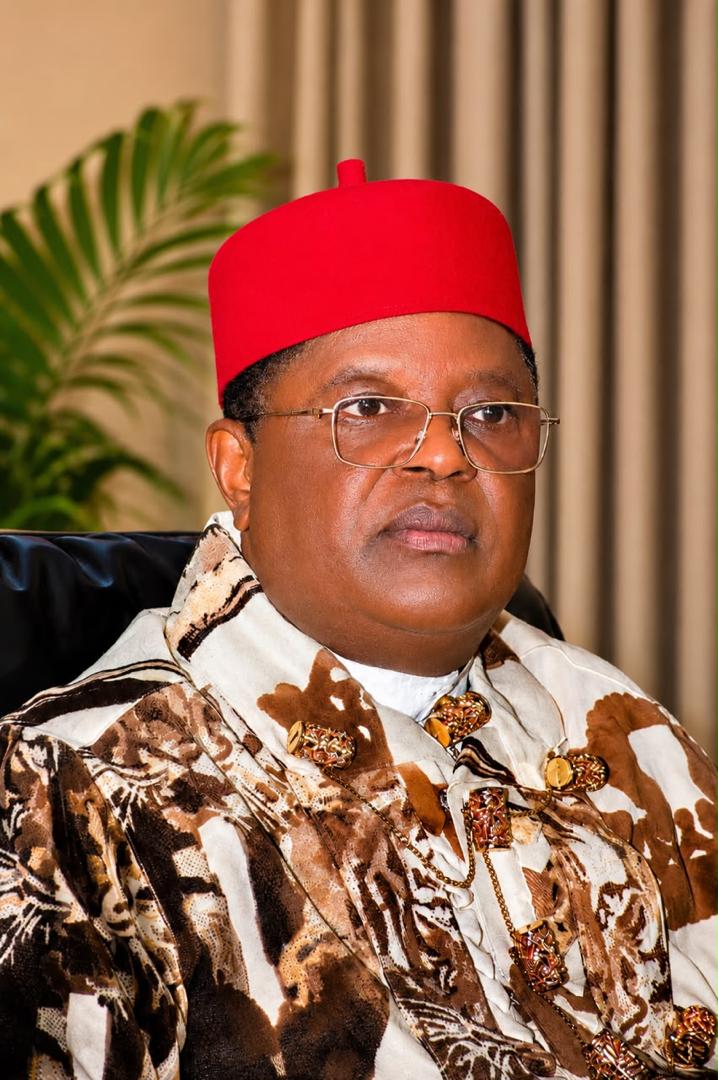
The Minister of Works, Senator David Umahi, disclosed this on Wednesday, October 28, 2026, while briefing State House correspondents after the FEC meeting presided over by President Tinubu.
The approvals cover strategic road projects in several states, alongside remedial works and rehabilitation interventions aimed at addressing infrastructure gaps, improving transportation networks and promoting balanced development across the federation.
Umahi said the investments reflected the administration’s recognition of road infrastructure as a critical driver of economic productivity, national integration and sustainable development.
Among the projects approved is the 81.1-kilometre Ado–Ilawe–Ilumaba–Ikole Road in Ekiti State, which is expected to improve connectivity, facilitate trade and stimulate economic activities within the state and neighbouring communities.
The Council also approved the 95-kilometre Etuke–Okene–Ankpa–Otopa Road in Kogi State to strengthen regional transportation links and support commercial activities.
Another major project is the Bichi Ring Road in Kano State, which is expected to improve urban connectivity, ease traffic congestion and facilitate movement within the rapidly expanding metropolitan area.
Other approvals cover road projects in Adamawa and Taraba states, remedial works on the East-West Road and the rehabilitation of the Sokoto–Illela Road.
The projects are expected to improve access to markets and essential services while supporting agriculture, trade, tourism and industrial development in the affected communities.
Road infrastructure, the ministry noted, plays a vital role in reducing transportation costs, strengthening supply chains and enabling farmers to move produce to markets more efficiently.
Improved road networks also help businesses distribute goods, encourage private-sector investment, create employment opportunities and enhance access to education and healthcare.
In a related development, Umahi announced significant progress on the Abuja–Kaduna–Zaria–Kano Expressway, disclosing that the first 118-kilometre sections had been completed, while construction on the remaining portions was nearing completion.
He said the completed sections, featuring both asphaltic and concrete pavements, were equipped with solar-powered streetlights to improve visibility and safety at night.
The progress marks a significant step in the rehabilitation and upgrading of one of Nigeria’s major transportation corridors, which supports passenger movement, commercial transportation and regional economic integration.
The highway is expected to strengthen connections between the Federal Capital Territory and major urban and commercial centres in the North-West, improving the movement of people and goods along the corridor.
The Ministry of Works said the latest approvals and progress on ongoing projects underscored the Federal Government’s commitment to infrastructure delivery under the Renewed Hope Agenda.
It stressed, however, that effective implementation, quality assurance, transparency and value for money would be essential to ensuring that the approved investments deliver tangible benefits to Nigerians.
The ministry reaffirmed its commitment to developing and maintaining a robust national road network to support economic growth, strengthen national integration and advance the administration’s vision of shared prosperity.
About the Author