By Odita Sunday
The Federal Government has called for stronger integration of Nigeria’s road, rail, maritime and aviation networks, saying a coordinated multimodal transport system is critical to unlocking economic growth, expanding trade and strengthening national connectivity.
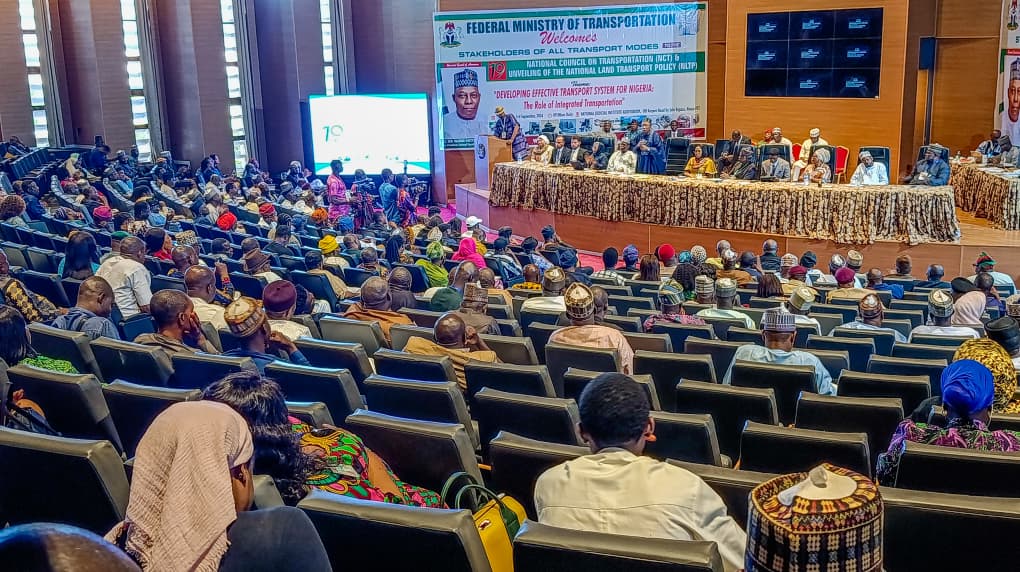
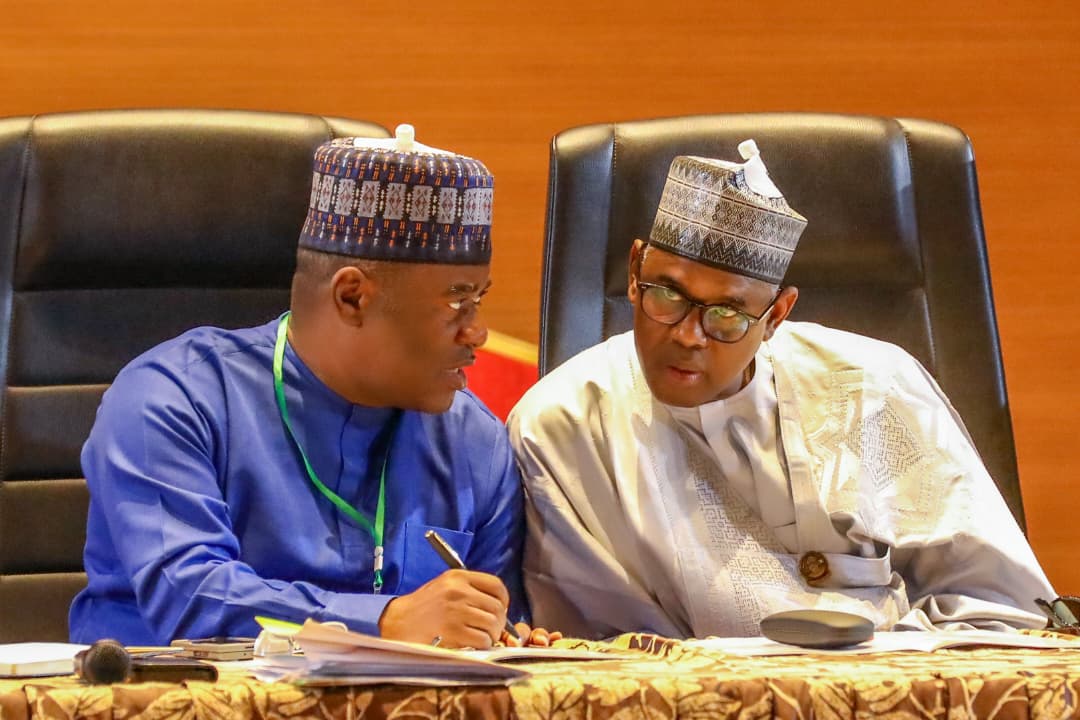
Minister of State for Works, Bello Muhammad Goronyo, who represented the Minister of Works, Engr. David Umahi, made the call on Wednesday in Abuja at the 19th National Council on Transportation, themed “Developing Effective Transportation Systems for Nigeria: The Role of Integrated Transportation.”
Goronyo said roads and bridges remained the backbone of Nigeria’s trade, commerce and human mobility, stressing that stronger road networks were essential to connecting agricultural communities with urban markets, seaports and rail terminals.
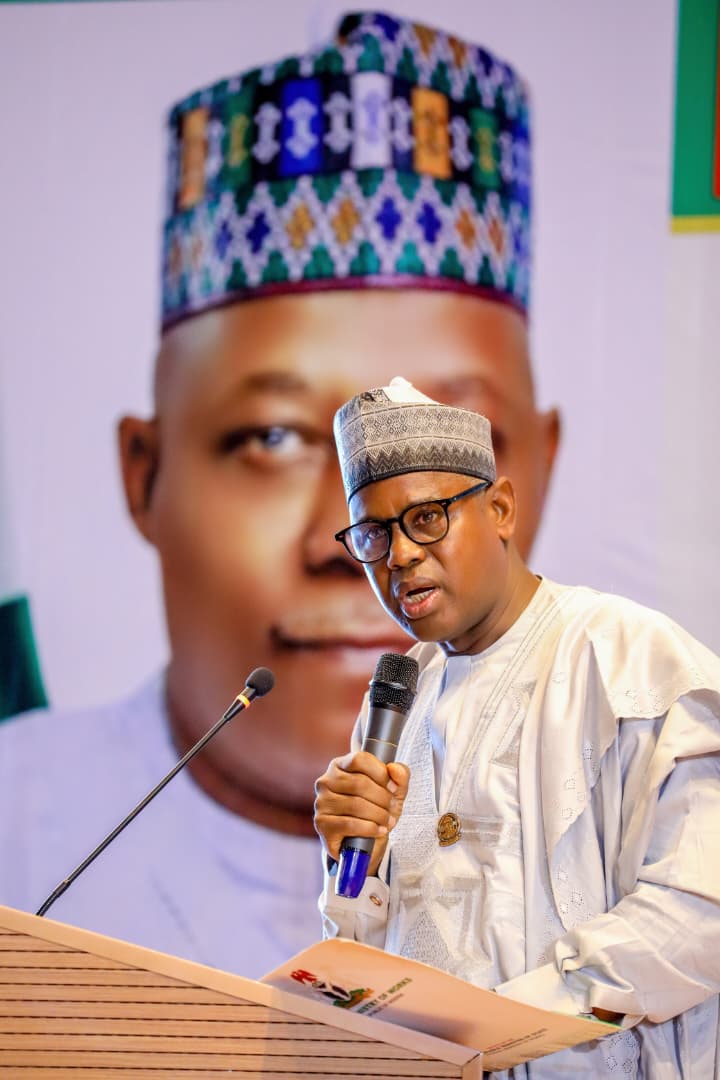
He said, “roads and bridges are essential lifelines of trade, commerce, and human mobility,” adding that robust, expanded and durable road networks would improve access to markets and facilitate movement across the country.
According to him, the Federal Government, under President Bola Tinubu’s Renewed Hope Agenda, is giving increased attention to infrastructure development through substantial investments and innovative financing mechanisms.
He identified the Lagos-Calabar Coastal Highway, Sokoto-Badagry Superhighway, Calabar-Ebonyi-Abuja Trans-Sahara Highway and the Akwanga-Jos-Bauchi-Gombe-Maiduguri-Yola corridor, with a spur from Jos to Ibi in Taraba State, as major legacy projects being implemented across the six geopolitical zones.
Goronyo said the projects were conceived as strategic economic investments rather than ordinary road construction, noting that their completion would enhance connectivity, stimulate commerce, create jobs and strengthen national integration.
He added that the projects were also designed to support environmental sustainability and generate carbon credits through the use of environmentally friendly cement, construction of dams for irrigation and renewable energy, solar-powered street lighting and windmill technology along the littoral corridor.
The minister said improved road connectivity would enable farmers to transport produce to markets faster, give industries better access to raw materials and markets, and provide safer and more comfortable movement for Nigerians.
He further disclosed that the Ministry of Works was embracing rigid pavement technology to construct more durable roads capable of withstanding heavy traffic and high water tables, thereby reducing road failures.
Goronyo, however, stressed that road development must be complemented by efficient rail transportation, particularly to reduce the pressure imposed on highways by heavy-duty vehicles.
He also urged Nigerians to protect public infrastructure, warning against vandalism and theft of road and bridge furniture and other critical assets. He called on communities to take ownership of infrastructure located within their areas and support government agencies in protecting public assets.
Chairman of the Senate Committee on Land Transport, Senator Adamu Aliero, commended the Federal Government for the resources committed to road infrastructure, saying no country could achieve sustainable economic growth without an efficient road network.
Aliero described the theme of the council as timely, saying it provided an opportunity for stakeholders in land, water and air transportation to harmonise policies and develop a sustainable intermodal transport strategy.
He assured that the National Assembly would continue to support efforts aimed at building a reliable and efficient national transport network.
Also speaking on behalf of the Minister of Aviation and Aerospace Development, Festus Keyamo, the Director of Planning, Research and Statistics, Alhaji Abdullahi Idi, said the aviation sector had recorded progress in safety, infrastructure development, support for local airlines, human-capacity development and regulatory reforms.
Idi disclosed that Nigeria recorded an Effective Implementation score of 91.45 per cent in the April 2026 International Civil Aviation Organisation safety audit, describing the result as a significant milestone.
He said the government was also reviewing and strengthening Bilateral Air Service Agreements with strategic international partners to improve connectivity, boost trade and tourism, attract investment and create employment.
Permanent Secretary, Ministry of Transportation, Engr. Olufunso Adebiyi, said the ministry was working to strengthen enforcement of traffic regulations through technology.
Adebiyi said the proposed technological systems would enable authorities to identify vehicles and drivers involved in traffic offences and facilitate prompt enforcement of penalties, while ensuring due process.
He said the measures were intended to improve compliance, road safety and responsible driving behaviour across the country.
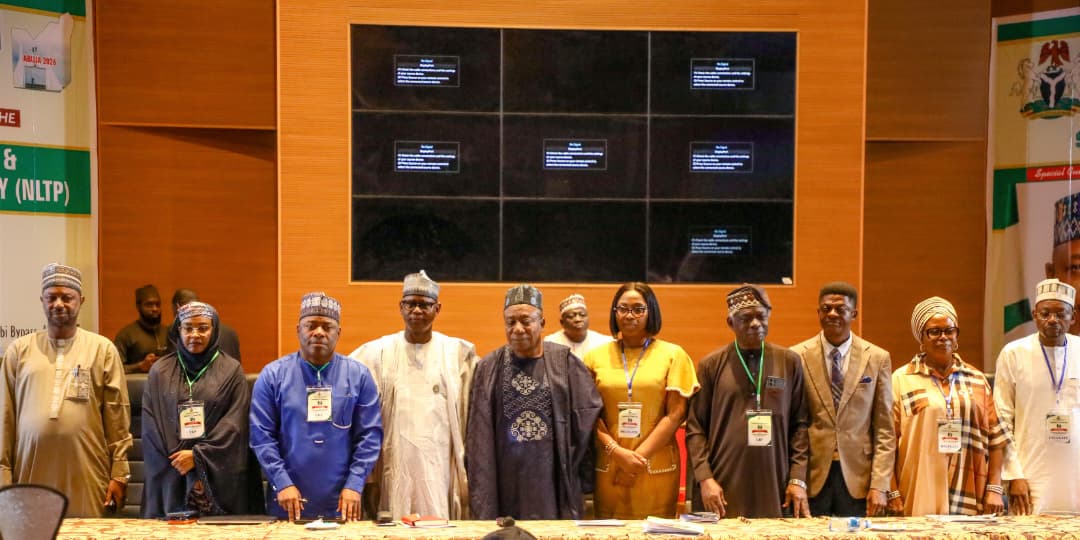
The council brought together stakeholders from the road, rail, aviation, maritime and related sectors to deliberate on strategies for building an efficient, integrated and sustainable transportation system capable of supporting economic growth and improving the quality of life of Nigerians.
About the Author