Maryam Aminu
The call for Africans to stop waiting for the continent they want and begin building it gained traction among young Nigerians in Abuja last week, as YouthHubAfrica convened a satellite watch party to connect them to the inaugural Africa Mindset Reset Forum in Kigali, Rwanda.
For two days, young Nigerians gathered in Abuja to follow a continental conversation that went beyond the familiar language of Africa’s problems, focusing instead on the mindset, institutions and systems required to turn the continent’s enormous potential into measurable progress.
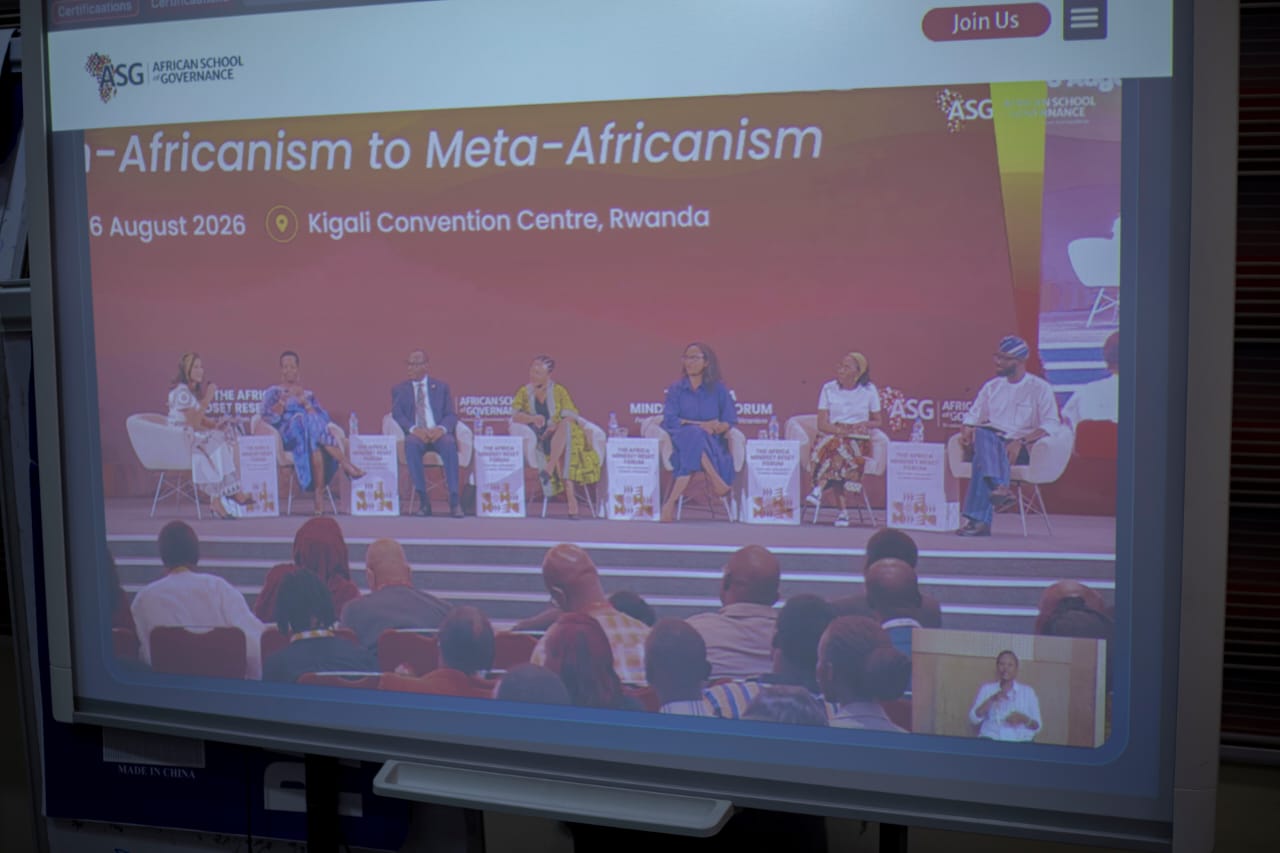
Held at the Kigali Convention Centre on August 25 and 26, the forum, themed “From Pan-Africanism to Meta-Africanism,” brought together African political leaders, business executives, development practitioners, academics and young emerging leaders to examine what must change if Africa is to take greater ownership of its future.
The forum was convened by the African School of Governance (ASG), co-founded by Rwandan President Paul Kagame and former Ethiopian Prime Minister Hailemariam Desalegn.
At the centre of the debate was a proposition that appeared simple but carried profound implications: Africa does not necessarily need another declaration of its potential; it needs a new mindset capable of converting that potential into institutions, enterprises, innovation and results.
ASG describes Pan-Africanism as having given Africa “the courage to stand”, while Meta-Africanism is intended to provide “the capacity to build” a transition from solidarity to systems, identity to capability, resistance to value creation and aspiration to disciplined execution.
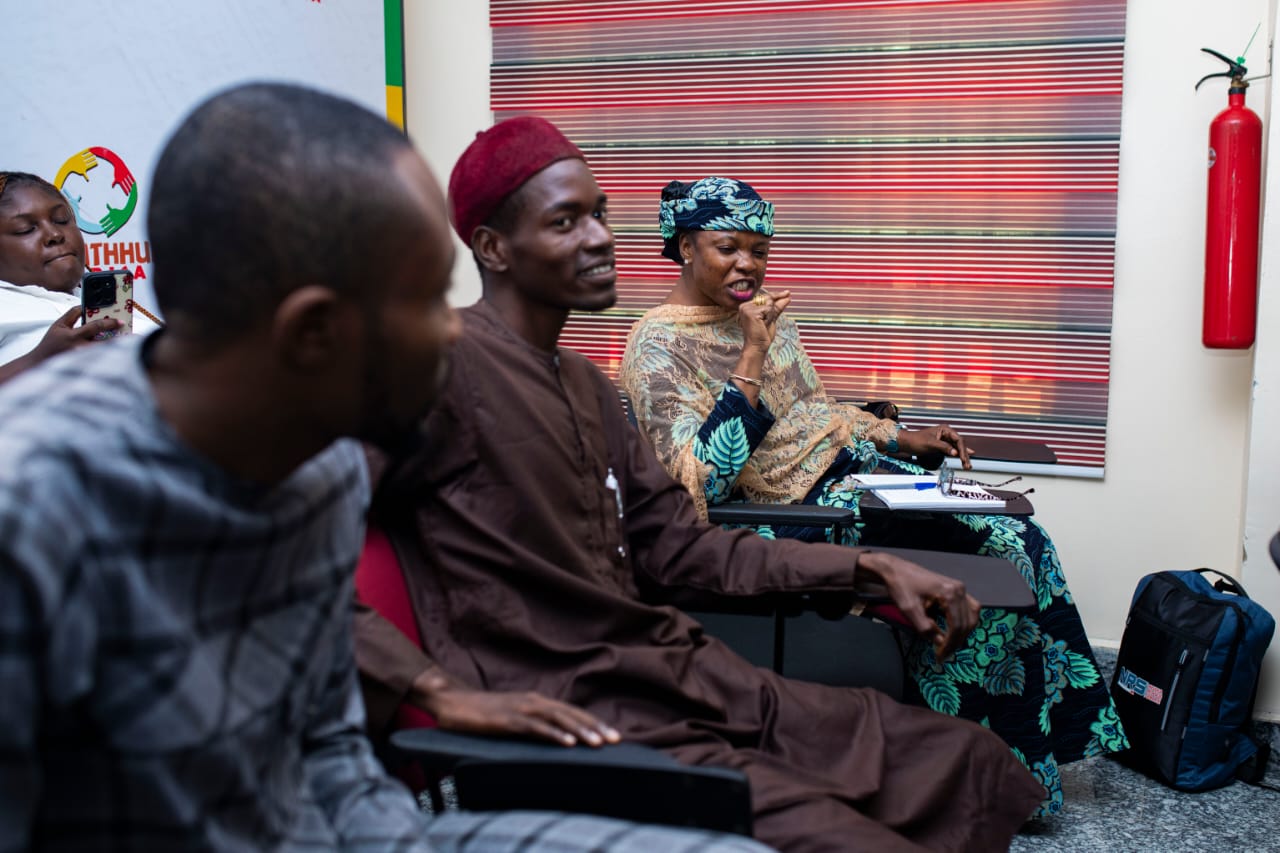
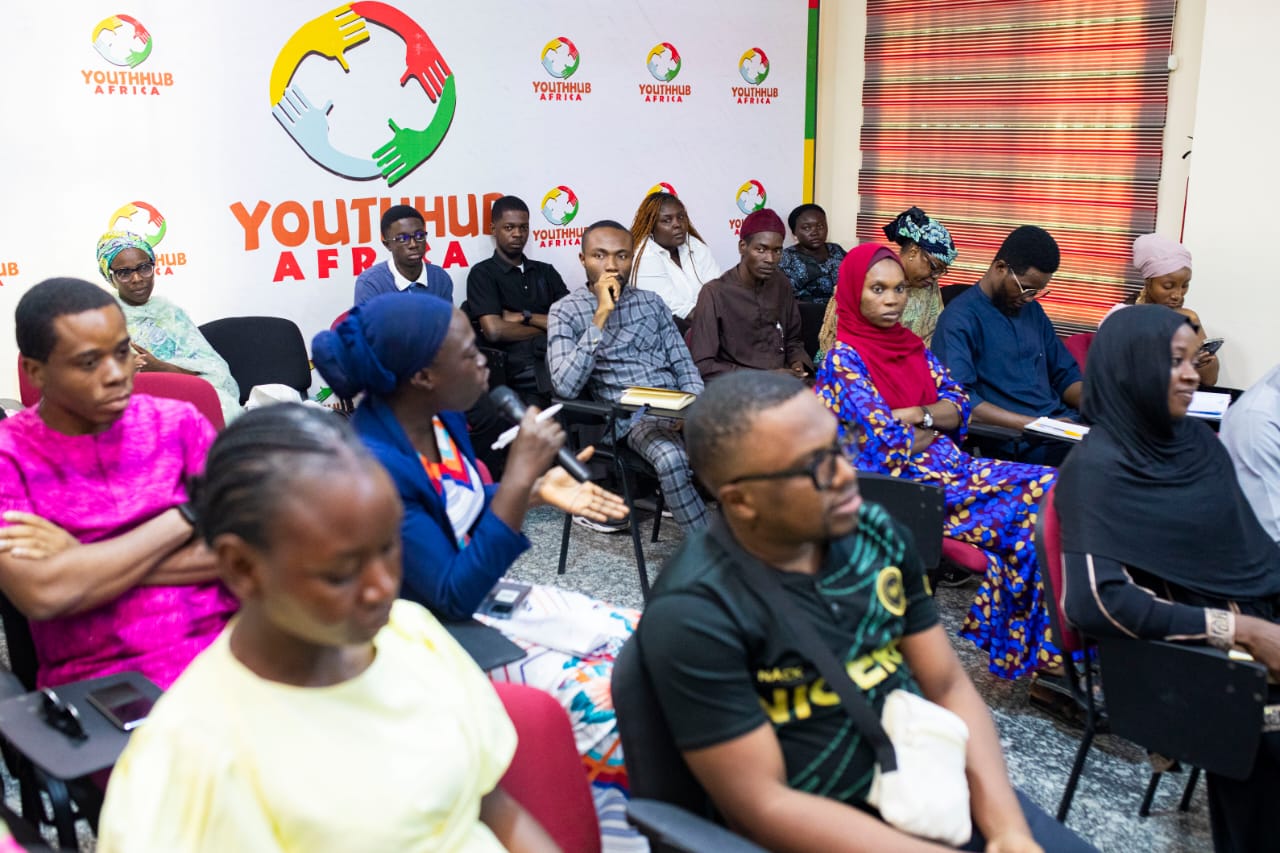
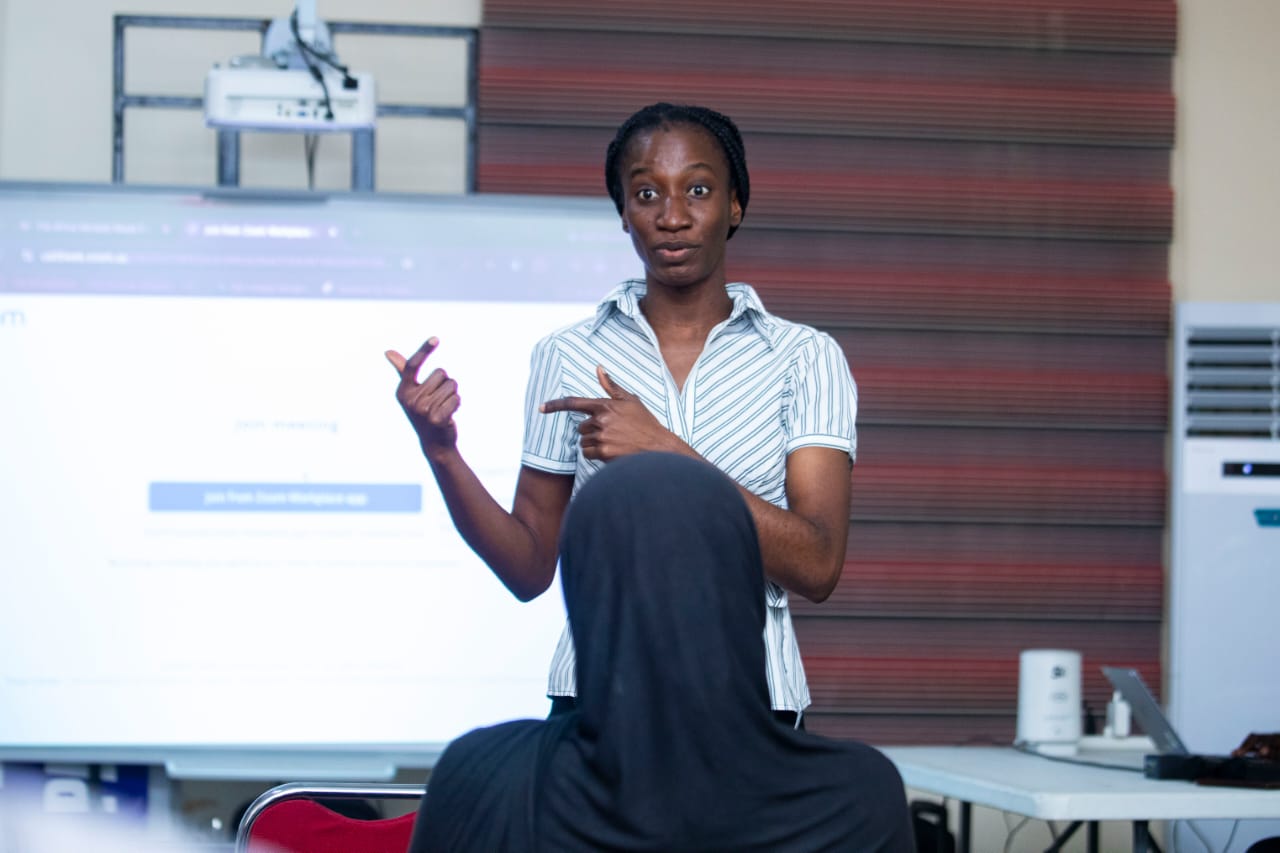
That message travelled beyond Kigali to Abuja, where the YouthHubAfrica satellite watch party gave young Nigerians an opportunity to observe, question and reflect on the issues confronting the continent.
Facilitated by Nkpoikana-Abasi Aniefiok, Monitoring, Evaluation, Research, and Learning (MERL) Officer, the Abuja gathering brought the forum’s conversations closer to young people whose daily experiences include unemployment, economic pressure, weak public systems, migration and limited opportunities.
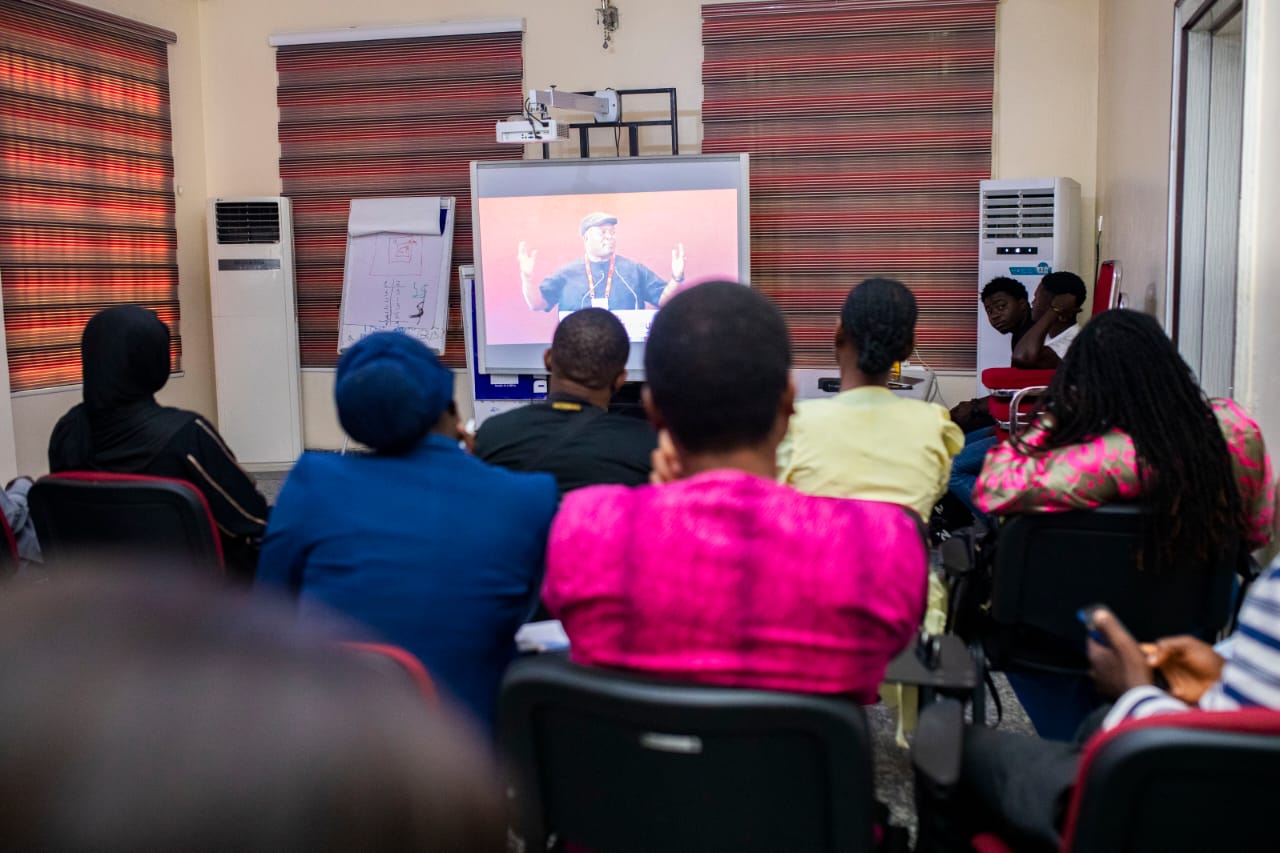
One of the strongest interventions at the forum came from Brian Kagoro, Managing Director of Programmes at Open Society Foundations, who challenged Africans to rethink the way they understand borders and economic participation.
Speaking during a session on “Making Markets Work Across Africa’s Borders,” Kagoro argued that borders should not be viewed only as barriers but also as spaces of economic opportunity. He challenged the tendency to treat informality simply as illegality, pointing instead to the millions of Africans whose livelihoods operate within informal economies.
Kagoro identified four pillars of Meta-Africanism as Skill, Network, Networth and Ubuntu placing competence, relationships, economic ownership and collective responsibility at the centre of the proposed transformation.
His most striking message, however, was a challenge to the continent’s younger generation: “We are not Africa’s children, we are Africa’s parents, because the Africa we want has not yet been born.”
The statement effectively turned the conversation from expectation to responsibility.
If the Africa people want does not yet exist, then the generation demanding that Africa must change must also accept responsibility for creating it.
That responsibility was reflected in the contribution of YouthHubAfrica Executive Director Rotimi Olawale, who participated in the Kigali dialogue on African markets and borders.
Olawale drew attention to the realities of young Africans operating in the informal economy, noting that it is not confined to rural communities but is also urban and largely young.
He also highlighted the gap between policies and the realities confronting young entrepreneurs and innovators, stressing the need for systems that respond to where young Africans are already building businesses, creating livelihoods and developing solutions.
The conversation was particularly relevant to Nigeria, where the growing “Japa” phenomenon has become a visible expression of youth frustration with limited economic and professional opportunities.
Rather than viewing migration solely as a loss, the discussions highlighted the need to build stronger connections between Africans at home and those in the diaspora, enabling skills, knowledge, networks and resources to contribute to continental development.
The question of ownership became even more direct during the panel, “Who really owns Africa’s resources, and who owns its people’s future?”
Mahmud Hassan, Chief Economist of Dangote Group of Industries, stressed that the creation of institutions alone was not enough.
For institutions to contribute meaningfully to development, he argued, they must be supported by systems strong enough to survive the generation that created them and continue serving future generations.
That argument struck at one of Africa’s longstanding development challenges: the tendency to build structures without always building the systems, accountability and continuity required to make them work.
Zouera Youssoufou, CEO of Aliko Dangote Foundation, brought another dimension to the ownership conversation by highlighting how African capital can be deployed to build capacity and strengthen local institutions.
Her contribution pointed to the possibility of African philanthropy and investment playing a greater role in financing African ambition and supporting solutions developed and scaled within the continent.
The leadership dimension of the conversation was reinforced by President Paul Kagame, who urged Africans, especially young people, to take ownership of their future and make the difficult choices required to create the Africa they want.
Former South African President Thabo Mbeki, delivering the opening keynote on “From Pan-Africanism to Meta-Africanism,” also examined the need for Africans to rethink their position in a changing global environment, particularly as geopolitical realities and traditional development financing continue to shift.
Former Ethiopian Prime Minister Hailemariam Desalegn and Ghana’s Vice President Jane Naana Opoku-Agyemang, representing President John Dramani Mahama, also participated in the high-level presidential conversation.
But beyond the presence of prominent African leaders, one of the forum’s defining features was its deliberate focus on the younger generation.
The African School of Governance positioned young and emerging leaders at the centre of the forum, reflecting the recognition that Africa’s demographic future makes young people indispensable to any serious conversation about governance, economic transformation and development.
Caren Wakoli, Founder and Executive Director of Emerging Leaders Foundation-Africa, Kenya, reinforced this argument by stressing the importance of building strong institutions that can be stewarded by successive generations of leaders.
For Wakoli, Africa’s next chapter must move beyond dependence towards interdependence and beyond scarcity towards abundance, with young Africans playing a central role in shaping that transition.
That message found practical expression in Abuja.
Participants such as Faruk Rabiu reflected on the need for young Africans to move from simply discussing Africa’s challenges to building solutions, challenging ineffective systems, strengthening their communities and participating meaningfully in governance and development.
The Abuja watch party therefore demonstrated that the Africa Mindset Reset conversation did not end at the Kigali Convention Centre.
It travelled across borders, into youth spaces and into conversations about what individual Africans can do differently.
And perhaps that is the real test of Meta-Africanism.
If Pan-Africanism was about creating a sense of shared identity and solidarity among Africans, Meta-Africanism, as presented at the forum, demands something more difficult: ownership.
Ownership of institutions.
Ownership of economic opportunities.
Ownership of African narratives.
Ownership of solutions.
And ultimately, ownership of responsibility.
The challenge is no longer whether Africa has enough talent, resources or ideas. The more difficult question is whether Africans can build the systems capable of turning those assets into lasting prosperity.
For the young Nigerians who gathered in Abuja, the message from Kigali was therefore more than a two-day intellectual exercise.
It was a call to stop waiting for someone else to build the Africa they want.
Because, as Brian Kagoro put it, that Africa has not yet been born.
The responsibility and opportunity belongs to those willing to build it.
About the Author